
Preparing For Family Gatherings That Bring Back Old Wounds
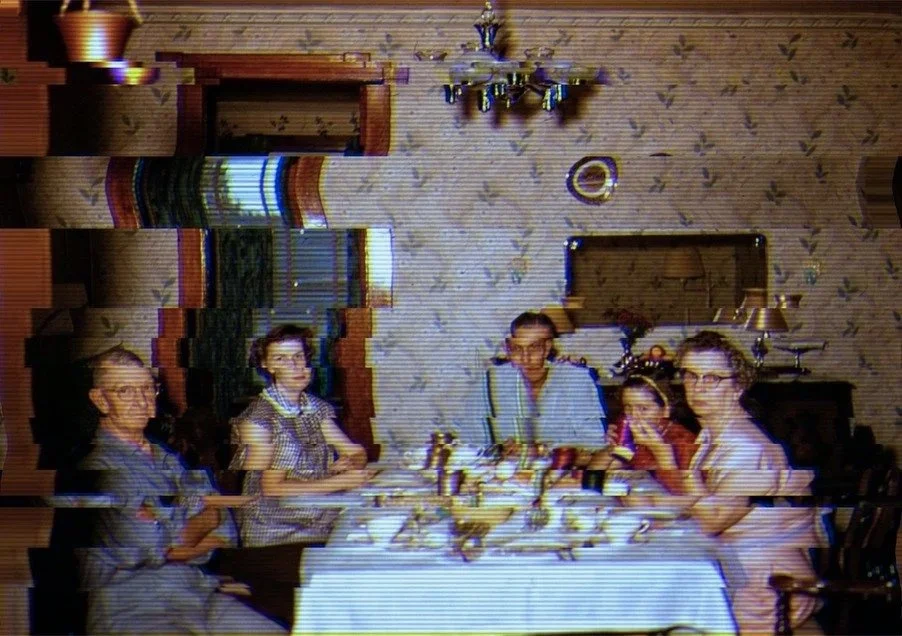
Family gatherings can bring us back to ways of being and relating that feel very old, far removed from our everyday lives. We may arrive feeling confident, capable, and secure, ready to navigate familiar yet turbulent waters, only to find ourselves repeating old patterns, such as seeking approval, becoming defensive, or struggling to speak. As adults, we may have created a life in which we feel more grounded and authentic. However, a parent’s comment or a sibling’s silence, for example, might bring us back in time if they carry the weight of years of perceived criticism and judgment.
Navigating difficult family relationships involves more than knowing what to say or how to enforce our personal boundaries. We also need to recognize how our own history shapes what we hear, what we expect, and who we become in those interactions. Therapy for relationship issues can help us understand why family encounters affect us so deeply, how some of those patterns are present in other areas of our life, and why they might be so hard to break.
As the holidays approach and you feel dread or anxiety creep in, “preparation” can begin with curiosity about these experiences. We cannot anticipate, let alone control, how others will behave, but we can become more aware of what we bring to the table. This awareness can give us an opportunity to choose how we want to participate, allowing for a greater sense of agency and choice. We cannot avoid repeating old scenes if we continue to be cast in the same roles; and we will likely be cast in the same roles unless we try to play a different character.
Recognizing the Roles We Return To
Within a family system, whether a single parent with a single child or an extended family with numerous siblings, we take on specific roles. These roles may have been necessary to develop a sense of identity and belonging, or to secure attention and care from others. For example, we may have become the dependable one who accommodates everyone else, the difficult one whose disagreement is dismissed or catered to, or the quiet one who appears to be “fine” even though their needs go unnoticed.
We may inhabit multiple roles, shifting depending on the circumstances, and they tend to persist long after childhood ends. These roles become central to how the family system operates, which is why we may feel a pull – consciously or not – towards them. Sometimes our relatives continue to expect them of us; sometimes we resume them before anyone has asked, as if becoming someone else on autopilot.
These patterns and roles often developed around important emotional needs. For example, keeping everyone happy may have helped maintain closeness. Withdrawing may have protected us from humiliation or enmeshment. Becoming argumentative may have been the only way we felt we had to feel seen and heard. These responses carry a history, and relinquishing them can feel more complicated than just deciding to behave differently. They also carry with them difficult feelings – anger, hurt, sadness, resentment – that we may not be aware of.
Hope, Longings, and Disappointments
Sometimes we arrive at family gatherings with hopes we have not acknowledged. Perhaps this time a parent will express recognition, approval, or pride, a sibling will acknowledge an old injury, or everyone will feel close to each other in the way we remember feeling during childhood. These are expressions of very old and natural longings and emotional needs: the need to be seen, recognized, appreciated, and valued for who we are by those we love.
Frequently, these hopes remain unconscious and, in some cases, we may actively deny them. Psychologically, denying our own unfulfilled wishes and unmet needs might be preferred to experiencing the deep sadness and hurt those absences created. As psychoanalyst Peter Shabad points out, “why would I want something that will never happen?” can be a defensive maneuver against the pain of mourning, as if the impossibility of repair undid the wounds we carry within.
These longings deserve recognition and compassion, regardless of whether they are likely to materialize. We also may need to surrender them, in order to avoid turning them into rigid expectations we place on others. This process isn’t easy because it usually involves grieving what we never had. Family gatherings can confront us with these disappointments in ways that can be very painful.
At the same time, when we approach those gatherings as unspoken tests of whether we are finally seen, respected, understood, taken seriously, or loved, ordinary disappointments and miscommunications can take on enormous significance. A distracted response from someone else, for example, may feel like confirmation that we have never mattered to them.
Preparation Starts Within
Before a family gathering, it might help to consider what has happened in previous occasions. What did you feel just before you became upset? Did you find yourself trying to keep everyone happy? Did you withdraw, feel defensive, or look for someone to take your side? Were you giving cues about something you wanted without asking directly? These questions might shed some light on the roles and hopes that may have been at stake.
More generally: How old do you feel when you are with your family? Younger parts of ourselves will inevitably make an appearance at family gatherings, whether we want it or not. This can be comforting, as when we feel attended to and cared for by someone who knows us well, but also hurtful, anxiety-provoking, or enraging, when we anticipate judgment, punishment, rejection, or humiliation. The aim is not to judge any of our reactions, but to recognize them early enough so that we may have some choice about what to do next.
Recognizing the inevitable interaction between past and present when you are with your family does not mean dismissing your perceptions or excusing mistreatment. But it can help you distinguish what is happening now from what you may have learned to anticipate. It can allow you to create a space between the past and the present, leaving room to ask a question, express hurt directly, step away, or respond in any other way that doesn’t feel like a repetition of old patterns. It is in the space between stimulus and response, Viktor Frankl reminded us, where our power, our growth, and our freedom lie.
Preparing emotionally may also involve acknowledging any unfulfilled longings and wishes you might be bringing to the gathering, while at the same time considering what other people are able to offer. Insisting on getting something you deeply need from someone unable to provide it is one of the most difficult things to experience and surrender. Recognizing these limitations may bring feelings of grief and sadness that deserve to be recognized. Making room for grief can loosen the pressure you might be placing on the occasion, and perhaps create possibilities for a new type of relationship.
In addition to asking yourself what you hope to receive or wish to experience, it might be helpful to consider how you want to show up. Perhaps you want to speak more honestly, try to remain curious when you feel defensive, stop assuming responsibility for everyone’s enjoyment, or attempt to be more generous with your attention and time. An intention is no guarantee that things will be different, but it enhances your sense of agency, helping you feel less resigned to be swept up by family dynamics you can’t control. Even if other people’s behavior remains unpredictable, an intention can offer you a sense of direction.
Preparing for predictable difficult moments can also be helpful. You might think in advance how to respond to uncomfortable questions or comments you can anticipate, or how to set boundaries for yourself if a conversation becomes heated. Boundaries are not about dictating other people’s behaviors, but about thinking in advance how we want to engage. Finding words in the moment, when emotions are intense, might be hard.
Finally, preparation might also involve deciding that a shorter visit, a different setting, or no visit at all is appropriate. Most people will have multiple feelings about an upcoming family gathering when things have felt tense in the past: guilty for not wanting to go, obligated to attend, or excited to see specific people. We need to make space for the complexity of our emotions and try to balance them within ourselves.
How Therapy for Relationship Issues Can Help
Family dynamics can be difficult to recognize and understand because they shaped our personality, our sense of self, our expectations of others, and how we experience ourselves. Therapy is not only a space to name and process your grievances towards others, although that is an important aspect of our reality. Relationship therapy can also be helpful to explore the different roles you played, what makes it difficult to break free from other people’s expectations, and how you might be participating in ways that leave you disappointed, frustrated, sad, or hurt.
Even if the initial focus might be the dynamics of your family of origin, therapy for relationship issues can be helpful to appreciate how these dynamics impact most of our other relationships. This might include therapy itself, where you can notice yourself repeating old patterns, such as seeking approval or having a hard time with confrontation. A therapist working from a relational stance will welcome all these feelings as expressions of patterns that can be examined, understood, and changed.
A meaningful family gathering may still include discomfort and disappointment. Those are always part of close, long-standing relationships. The goal may not be to make sure everything goes peacefully and that everyone gets along, since making that happen usually goes beyond what a single person can do. Therapy can help you reckon with those limitations, create a space for all the feelings that come up, mourn any unmet longings, and find new ways of showing up that leave you feeling empowered and free.
********
Photo credit: Annie Spratt